
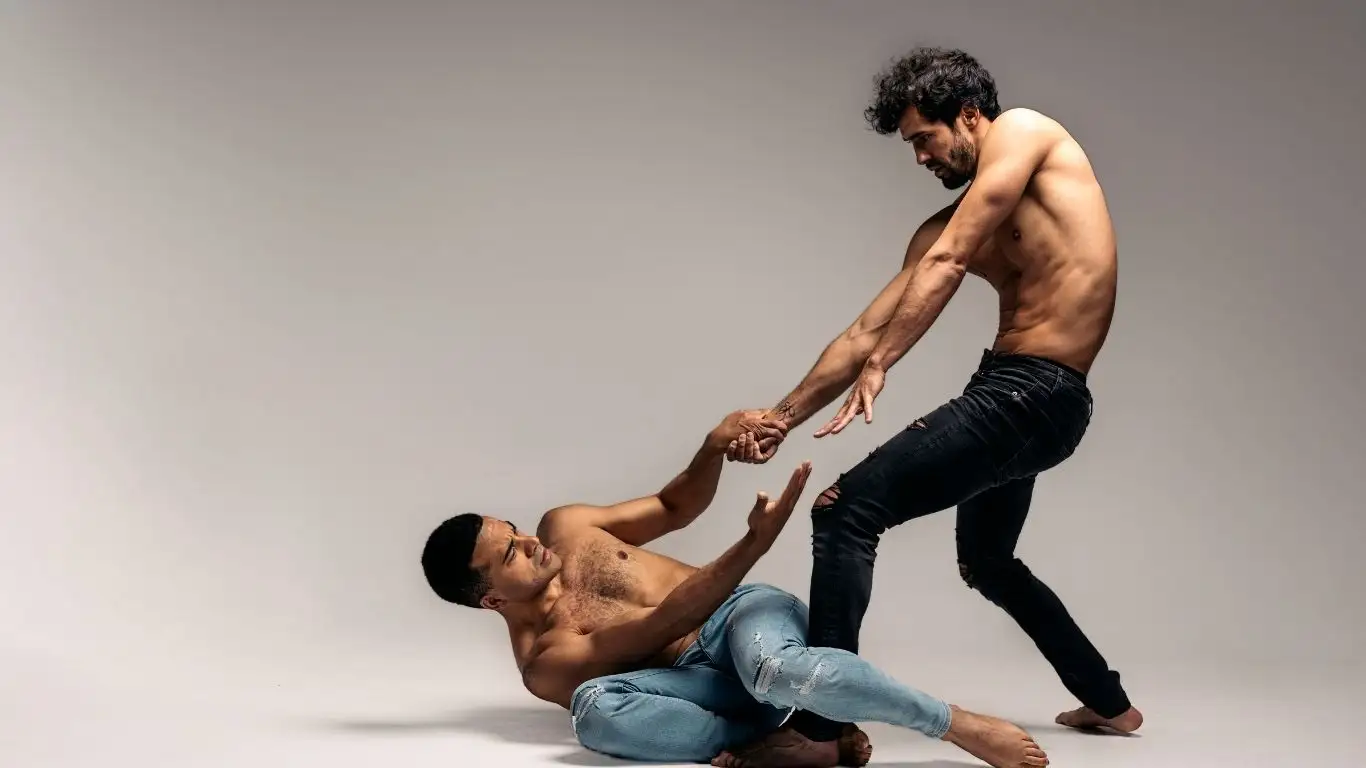
The Building Phase Most Dancers Go Through
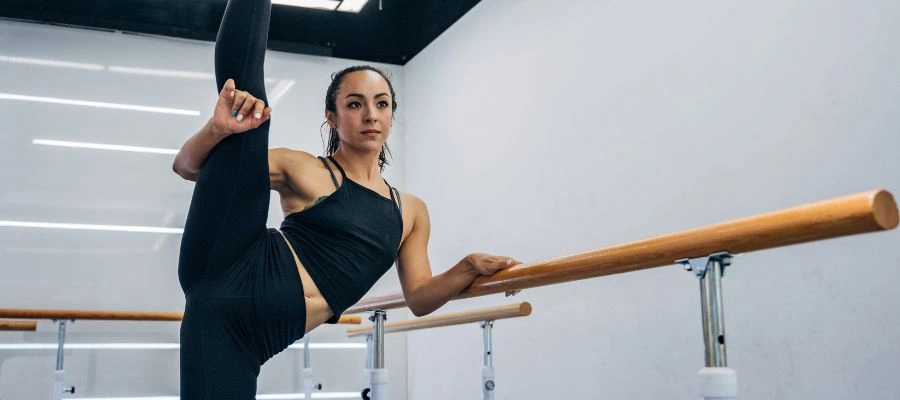
A common frustration among dancers is low pay or unpaid work.
It’s a valid concern. But it often misses a key part of how careers in this industry actually develop.
Most dancers go through a building phase — a period where income is inconsistent, and opportunities aren’t always paid.
Not because the industry is fair — it isn’t.
But because this is where reputation is built.
At this stage, the focus isn’t just on income. It’s on proof.
Proof of:
- work ethic
- attitude
- reliability
- how you show up in the room
Why Reputation Matters More Than Pay Early On

The dance industry is highly competitive. Talent alone is rarely enough.
What separates dancers who progress is consistency — the ability to deliver in every environment, regardless of the size of the job or the level of pay.
This is something top professionals across the industry understand well.
They treat every opportunity the same way:
with focus, professionalism, and respect for the people around them.
Because ultimately, reputation drives opportunity.
If a dancer is booked on a high-level job but not invited back, it’s rarely about ability alone. More often, it comes down to how they contributed to the overall environment — their energy, collaboration, and reliability.
These factors matter.
What Actually Separates Dancers Who Progress

dancer: Mollie Miller
Early in a career, it’s easy to focus on what a job pays.
But in many cases, the more valuable question is: “what does this opportunity build?”
Connections, experience, trust — these are often what lead to consistent work.
There is, of course, a difference between being exploited and being in a genuine building phase. That distinction matters, and it’s something dancers need to learn to navigate carefully.
But one thing remains consistent across those who build long-term careers:
They become known for how they show up.
And over time, that reputation compounds.
Before the pay increases, before the bigger opportunities —
comes trust.